
When a car, van, or pickup truck is used to generate revenue, your standard personal policy rarely provides the protection your livelihood requires. For business owners evaluating their operational overhead, this transition prompts a common question: is commercial auto insurance more expensive than personal coverage?
In most cases, commercial auto insurance carries a higher price tag than a personal auto policy. However, the exact price gap depends heavily on what you drive, how far you travel, who gets behind the wheel, and the nature of your industry. Understanding why these two policies are priced differently—and when a personal policy puts your company at risk—can help you secure the right protection without overpaying.
Is Commercial Auto Insurance More Expensive Than Personal Auto Insurance?
Yes, commercial auto insurance vs personal auto insurance typically results in higher premiums for business policies. Comparing national pricing benchmarks highlights the difference:
- Personal Auto Insurance: According to 2026 market data from SmartFinancial, standard personal auto policies average roughly $68 per month for state-minimum liability and $225 per month ($2,700 annually) for full coverage.
- Commercial Auto Insurance: A 2026 cost report from MoneyGeek places national small-business averages between $163 per month ($1,959 annually) for minimum liability and $353 per month ($4,240 annually) for full coverage with higher limits. Meanwhile, 2026 data from Insureon shows a median commercial rate of around $245 per month ($2,940 annually) for a single standard business vehicle.
Comparing these numbers side by side on price alone can be misleading. Personal auto policies generally carry lower liability limits (such as 100/300/100 split limits). Commercial policies frequently start at $500,000 or $1 million in combined single-limit liability to protect business assets against major lawsuits. Furthermore, a consultant driving a company sedan may pay roughly the same as—or only slightly more than—a personal policy, whereas a contractor operating heavy pickup trucks will pay substantially more.
Why Does Commercial Auto Insurance Usually Cost More?
Underwriters calculate business auto insurance cost around commercial exposures rather than everyday household commuting. Several operational realities drive higher commercial rates:
- More Frequent Driving: Personal vehicles often sit parked at an office or home for much of the day. Work vehicles spend hours navigating congested streets, unfamiliar neighborhoods, and tight delivery schedules, increasing accident probability.
- Multiple Employee Drivers: A personal policy covers a specific household. A commercial policy often extends coverage to multiple employees with varying levels of driving experience and road habits.
- Higher Lawsuit Exposure: If an employee causes an accident while driving a van displaying your company logo, third parties are far more likely to pursue large legal claims against the business entity, increasing potential payout severity.
- Vehicle Weight and Equipment: Work trucks, cargo vans, and vehicles outfitted with permanent toolboxes or ladder racks weigh more and cause greater damage in a collision than standard passenger cars.
What Is the Difference Between Commercial and Personal Auto Insurance?
While both policies cover collisions and liability, personal vs commercial auto insurance structures differ in four critical ways:
- Intended Use: Personal policies cover commuting, errands, and leisure travel. Commercial policies cover transporting goods, visiting job sites, hauling equipment, and driving clients.
- Vehicle Ownership: If a vehicle is titled or registered in your business’s name (such as an LLC or corporation), insurers almost universally require a commercial policy.
- Liability Limits: Commercial policies provide higher liability ceilings and offer business-specific endorsements—such as coverage for permanently attached equipment, non-owned trailers, or cargo in transit.
- Covered Drivers: Commercial policies can be structured to cover “any auto” or a roster of authorized employees, rather than limiting protection to family members living at one address.
Even if your company owns just one pickup truck, titling it under your business name or using it daily to haul supplies places it outside standard personal coverage rules.
Can You Use Personal Auto Insurance for Business Purposes?
Many personal auto policies permit incidental business driving—such as driving to an occasional client meeting, attending a conference, or running a quick bank errand—provided you are not transporting goods or paying passengers. Some insurers also offer a “business-use” endorsement on personal policies for sole proprietors like real estate agents or independent consultants.
However, personal policies almost always exclude commercial activities such as:
- Delivering food, packages, or retail goods for a fee.
- Regularly hauling heavy tools, ladders, or construction materials to job sites.
- Allowing employees to drive your personal vehicle for company tasks.
If an accident occurs during an excluded business activity, your personal carrier can deny the claim entirely, leaving you personally responsible for vehicle repairs, medical bills, and legal defense. Always confirm your exact driving activities with your insurance provider before assuming a personal policy applies.
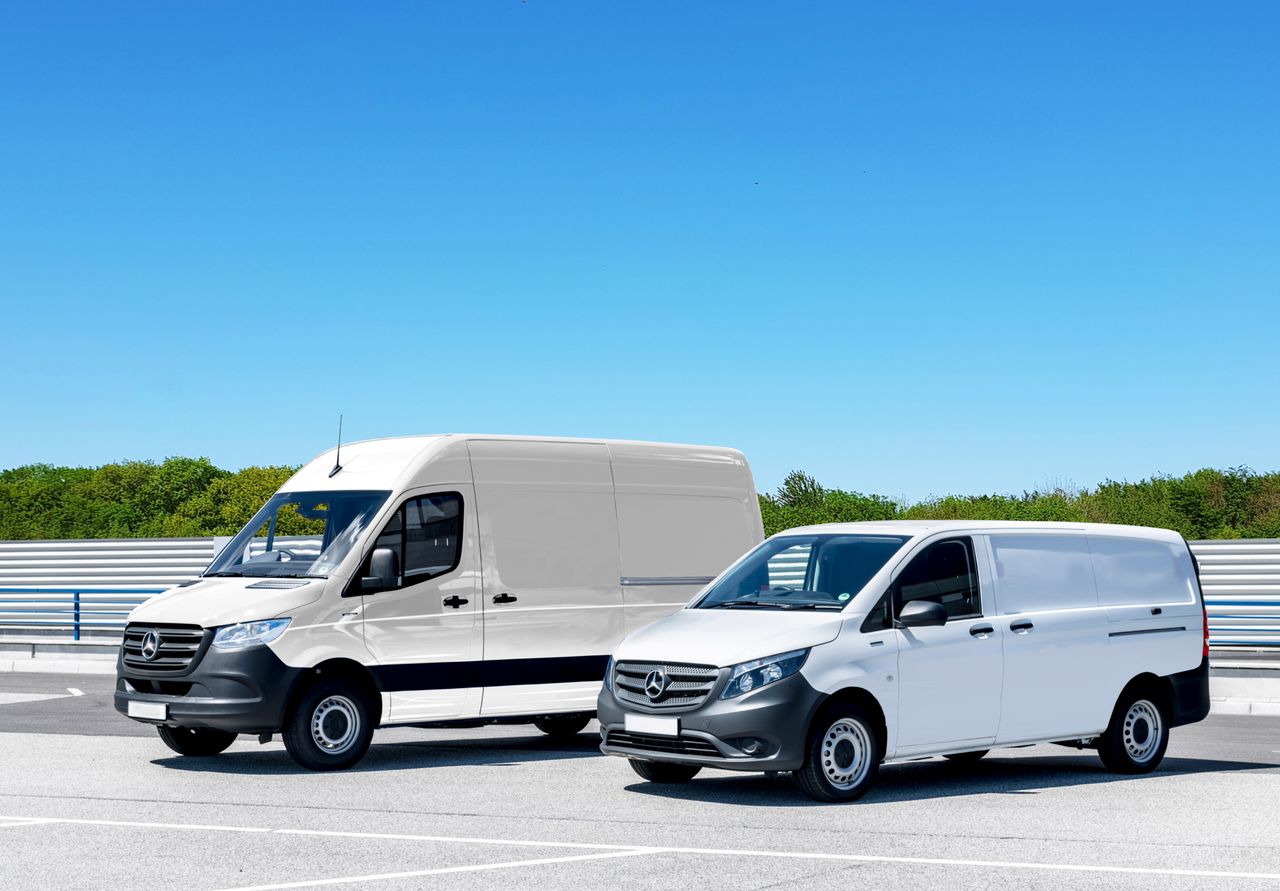
What Factors Affect the Cost of Commercial and Personal Auto Insurance?
Whether you are pricing a household sedan or a fleet of service vans, insurers evaluate core risk indicators to set your commercial car insurance cost:
- Vehicle Type and Value: Repairing or replacing a specialized cargo van or heavy-duty pickup costs more than insuring a compact passenger vehicle.
- Driving History: At-fault accidents, speeding tickets, and moving violations among listed drivers directly raise premiums on both policy types.
- Location and Garaging Address: Garaging a vehicle in a dense metropolitan area with high traffic and theft rates yields higher premiums than operating in a rural county.
- Annual Mileage and Operating Radius: Higher annual mileage and regional or interstate travel increase road exposure compared to local driving.
- Business Operations: An accounting consultant visiting local offices pays significantly less than a landscaping or courier business operating under tight daily schedules.
- Coverage Limits and Deductibles: Higher liability limits increase premiums, while choosing a higher physical damage deductible lowers your recurring payment.
How Can Businesses Manage Commercial Auto Insurance Costs?
You can take practical steps to keep your commercial auto insurance rates competitive without stripping away vital liability protection:
- Screen Drivers Before Hiring: Review Motor Vehicle Reports (MVRs) before allowing employees to operate company vehicles, and enforce clear standards for acceptable driving records.
- Enforce Written Vehicle-Use Rules: Prohibit distracted driving, unauthorized personal errands, and non-employees from driving company-owned vehicles.
- Implement Routine Maintenance and Safety Training: Documenting brake, tire, and light inspections alongside driver safety training demonstrates proactive risk management to underwriters.
- Keep Driver and Vehicle Lists Current: Promptly remove sold vehicles and former employees from your policy so you are not paying to insure inactive risks.
- Compare Quotes Across Multiple Carriers: Insurers vary widely in how they price specific trades. Shopping across multiple commercial carriers helps match your business with an underwriter suited to your industry.
Choose the Right Auto Insurance for Your Vehicle Use
While commercial auto insurance typically costs more than a personal policy, choosing a cheaper personal policy for business driving can create a costly coverage gap. The right choice depends on how your vehicles are titled, who drives them, and the risks involved in your daily work.
At G&G Insurance, we work as an independent commercial insurance agency to help business owners evaluate their vehicle exposures and compare coverage options from multiple carriers. Whether you insure a single work truck or a growing service fleet, our team can help you find business vehicle insurance tailored to your operations. Contact G&G Insurance today to review your current auto coverage and request a quote.