
Roofing is a high-risk trade. Contractors work at significant heights, handle heavy materials, and deal with changing weather conditions while protecting clients’ homes and commercial properties. These risks can also affect how much roofing businesses pay for insurance.
If you’re planning your business expenses, understanding the general liability insurance cost for roofing contractors can help you make more informed decisions about coverage and budgeting.
General liability insurance helps protect roofing businesses against certain third-party bodily injury, property damage, and personal or advertising injury claims. However, premiums vary based on the company’s operations, location, and overall risk profile. Here’s what influences the cost and how roofing contractors can manage their insurance expenses.
How Much Does General Liability Insurance Cost for Roofing Contractors?
There is no standard price for general liability insurance for roofing contractors. A self-employed roofer handling small residential repairs may have different premiums than a large company managing commercial roofing projects.
According to the National Association of Insurance Commissioners (NAIC), business liability insurance premiums can depend on the type of work performed, estimated sales and payroll, claims history, location, and risk management practices. The NAIC also identifies roofing as an example of a business activity that insurers may consider higher-risk than certain other industries.
Because of these differences, the actual cost depends on how an insurer evaluates your business. Contractors should compare quotes based on their operations, coverage limits, and policy terms rather than relying on a single industry estimate.
Source: NAIC – Small Business Insurance.
Why Is General Liability Insurance More Expensive for Roofers?
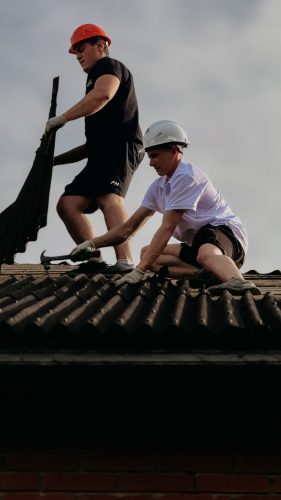
Roofing contractors face risks that can lead to significant third-party injury or property damage claims. Several aspects of the job can influence how insurers evaluate their operations.
- Working at Heights: Roofing involves elevated work areas where falling materials or unsecured equipment can create hazards for people nearby. OSHA identifies falls as a leading cause of work-related deaths in residential construction.
- Property Damage: Roofing projects can expose surrounding property to accidental damage. For example, falling materials could damage a client’s windows, driveway, or landscaping.
- Weather Exposure: Unexpected rain or strong winds can complicate roofing projects. An unfinished roof may leave a building vulnerable to water intrusion and potential property damage.
- Specialized Roofing Methods: Certain commercial roofing operations involve heat-producing equipment, specialized materials, or more complex installation methods that insurers may evaluate differently.
These exposures can affect the way insurers assess a roofing company’s liability risks and determine premiums.
Safety reference: OSHA – Fall Protection in Residential Construction.
 What Factors Affect Roofing Contractor Insurance Costs?
When evaluating a roofing business, insurers consider several details to determine its potential exposure to liability claims.
- Annual Revenue and Payroll: Business size, estimated sales, and payroll can influence premium calculations. Larger operations may have different exposure levels than smaller businesses.
- Type of Roofing Work: Residential repairs, commercial roofing, flat roof installations, and specialized roofing projects may carry different risk profiles.
- Location: Regional weather conditions, state regulations, and local insurance markets can affect premiums.
- Claims History: Previous insurance claims may influence how insurers assess your business and determine pricing.
- Use of Subcontractors: Insurers may consider whether subcontractors are used and whether they maintain appropriate insurance coverage.
- Coverage Limits and Deductibles: The amount of protection you select and applicable deductibles can affect your overall premium.
Understanding these factors can help you identify which aspects of your business may influence your roofing insurance premiums.
How Can Roofing Contractors Manage Insurance Costs?
Although roofing involves inherent risks, contractors can take steps to improve safety and manage their insurance expenses.
- Maintain Safety Procedures: Establish fall protection measures, provide employee training, and follow applicable OSHA requirements.
- Verify Subcontractor Insurance: Request current certificates of insurance from subcontractors and review their coverage before work begins.
- Keep Accurate Business Records: Maintain updated payroll, revenue, and project information to help avoid unexpected premium adjustments during policy audits.
- Review Coverage Regularly: Evaluate your policy as your business grows or takes on different roofing projects.
- Compare Insurance Quotes: Work with an insurance professional who understands roofing operations and compares coverage, exclusions, and limits—not just premiums.
These practices can help demonstrate responsible business operations, although they do not guarantee lower insurance rates.
Is General Liability Insurance Enough for Roofing Contractors?
General liability insurance is an important part of a roofing company’s insurance plan, but it does not address every business risk.
Depending on your operations, you may also need to consider:
- Workers’ Compensation Insurance: Provides benefits for eligible employees who experience work-related injuries or illnesses.
- Commercial Auto Insurance: Covers certain vehicle-related losses involving company trucks, vans, and other business vehicles.
- Tools and Equipment Coverage: Helps protect covered roofing tools and equipment against specified losses, such as theft or damage.
- Commercial Umbrella Insurance: Provides additional liability limits above certain underlying policies, subject to its terms and exclusions.
The appropriate combination depends on your workforce, equipment, vehicles, contracts, and roofing activities.
Get the Right Coverage for Your Roofing Business
Choosing insurance involves more than finding the lowest premium. Roofing contractors should understand their potential exposures, review policy exclusions, and select coverage limits that reflect their business operations.
At G&G Insurance, we help businesses explore commercial insurance options based on their specific needs. As an independent insurance agency, we can help you evaluate coverage options for your roofing business.
Contact G&G Insurance to discuss your general liability insurance needs and explore coverage options for your roofing company.
Disclaimer: Insurance costs vary by insurer, location, business operations, claims history, coverage limits, and underwriting factors. Any pricing estimates should be treated as general guidance, not guaranteed quotes. Coverage is subject to policy terms, conditions, and exclusions.