
The open road — miles and miles of opportunities for new adventures, unforgettable sights, and lasting memories. It doesn’t get much better than that.
If you’ve taken to the road in your RV full-time, it’s important to have an insurance policy designed specifically for full-time RV living. The right rv insurance coverage can give you peace of mind wherever your travels take you, so you can focus on enjoying the journey.
Why RV Insurance for Full-Timers?
Even though Recreational Vehicle insurance for full-time use can be more comprehensive than a standard policy, it’s designed to acts as both protection similar to home insurance and auto insurance. Your RV is more than just a vehicle — it’s your home on wheels — which means it requires coverage that reflects how you actually use it.
Full-time RV owners need insurance protection that supports a mobile lifestyle and helps safeguard them from the unique risks of living and traveling in an RV.
Do You Need RV Insurance?
In most states, motorized RVs are required to carry at least minimum liability coverage in order to be driven legally on public roads. In addition, if your RV is financed, lenders typically require comprehensive and collision coverage.
You may also need RV insurance if:
- You own a Class A, Class B, or Class C motorhome
- Your RV is financed or leased
- You rent or operate an RV regularly
Protecting Your Investment
An RV is a significant investment, and full-time use increases both its value and exposure to risk. When choosing coverage, consider whether you would be financially comfortable paying out of pocket for repairs, liability claims, or total loss situations.
Having the right RV insurance policy helps ensure you’re protected no matter where the road takes you.
Suggested Posts: A Comprehensive Guide to RV Insurance, RV Insurance Coverage vs Car Insurance Coverage
Full-Time RV Insurance
Typically, insurance providers define full-time as people who use their RV as their primary residence. However, if you are receiving RV insurance quotes, check with the Insurance Advisor on whether you would need full-time RV insurance. If you don’t need full-time coverage, you can have a standard RV insurance policy (and enjoy lower rates, too!). Since one of the factors that impacts RV insurance rates is how frequently you use your RV, checking the full-time requirements could affect your policy.
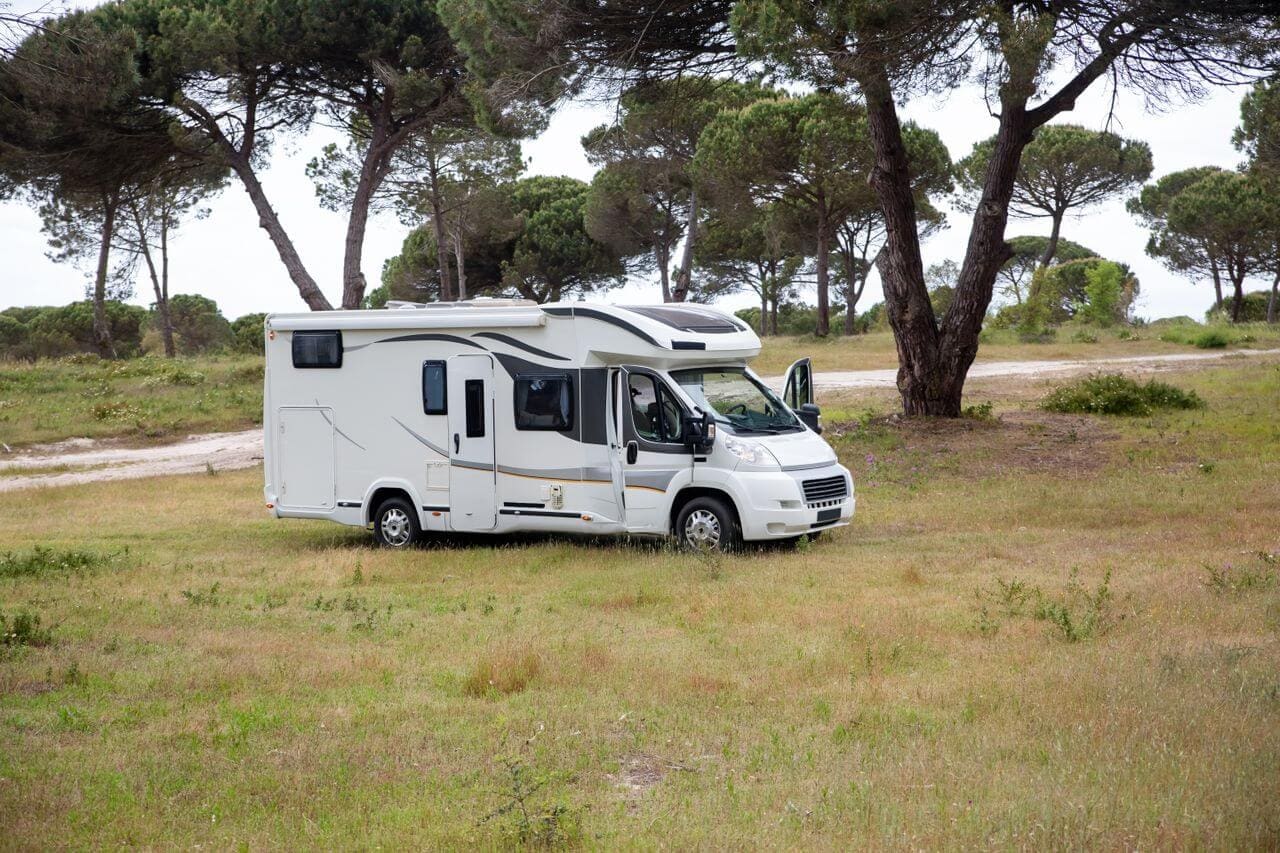
Full-Time RV Insurance Coverage
While each insurance provider is different, here are some common types of coverage specific to full-time RV insurance:
Full-Timer Personal Liability
It is similar to vacation liability. It pays up to your policy’s limit for injury and property damage for which you are responsible, whether the incident occurs around your RV or on your property.
When you live in your RV full-time, your liability coverage will be a bit different. Why? Your RV is now your home, so coverages that are typically included on a homeowner’s policy must be covered on your RV insurance. Be sure to ask your Insurance Advisor if you’re covered while your RV is parked as well as when you are driving on the road.
This coverage is extremely important, so don’t just settle with the state-required minimums. Costs can quickly grow and exceed low limits, which could leave you in a financial mess. Make sure your coverage, whether it is liability or another coverage option, properly mirrors your financial situation.
Medical Payments for Others
This coverage pays for medical costs incurred by those who are injured while on the property where your RV is located. For example, if your RV neighbor’s kid trips on your property and breaks their arm, your medical payments coverage will cover the costs up to your policy’s limit.
Full-Timer Loss Assessment
If you are a tenant of property in a particular association, loss assessment coverage will help cover certain assessments that are charged to you. For example, Progressive RV insurance includes up to $5,000 in coverage for charges or fines you face from RV/homeowners associations.
Storage Shed Contents for Full-Timers
If you have a shed for storage at the time of a loss, this coverage pays up to your policy’s limit for the contents inside the shed.
Not all policies will include the above coverages and they may have different coverages specific for full-timers. Make sure to ask the Insurance Advisor about the coverage details.
Full-Time RV Insurance Discount Options
Many insurance providers offer discounts and built-in savings options to make insurance more affordable. Some discounts you may be qualified for include:
- A multi-vehicle discount when you insure your RV and other cars with the same company.
- A discount if you have a clean driving record and/or you have no at-fault claims. Typically, insurance companies look at the last three years of your driving history at the least to determine any accidents or violations.
- A discount option if you pay your insurance premiums in full.
Whether you’re planning weekend getaways, cross-country road trips, or living in your RV full time, having the right rv insurance coverage can give you confidence wherever the road takes you.
At G&G Insurance, we help RV owners find personalized coverage that fits their lifestyle. From standard RV insurance to specialized full-time RV insurance, we’ll help you compare options and choose the protection that’s right for you.
Have questions about RV insurance or ready to get a free quote? Contact G&G Insurance today at 479-802-0086. Our experienced team is here to help you protect your home on wheels.