
When you look at a commercial fleet, it is easy to assume that big trucks are just big trucks. However, if you compare a box truck delivering residential furniture to a dump truck hauling 15 tons of crushed limestone, their daily risks look completely different. Understanding box truck vs dump truck insurance is essential for any business owner who wants proper protection without paying for the wrong risk profile.
Both vehicle types require specialized commercial vehicle insurance to operate legally on public roads. The exact coverage you need and what you pay depends entirely on how your vehicle is used, what it carries, and where it drives.
What Is Box Truck Insurance?
Box trucks are the workhorses of local logistics and retail transportation. These enclosed vehicles feature a cargo area separated from the cab, making them ideal for protecting goods from weather and theft.
Box trucks are commonly used by:
- Local delivery and courier services
- Residential and commercial moving companies
- Retail distributors and appliance installers
- E-commerce logistics operators
When setting up commercial box truck insurance, policies typically focus on protecting packaged inventory and client property. Core coverages include primary commercial auto liability, physical damage for collision or theft, motor truck cargo insurance, and general liability for off-road incidents.
What Is Dump Truck Insurance?
Dump trucks are built for heavy construction and rugged work environments. Unlike enclosed box trucks, dump trucks feature open-bed bodies equipped with hydraulic lifts designed to transport and unload loose materials.
Dump trucks are commonly used by:
- Construction and excavation contractors
- Landscaping and earth-moving companies
- Mining and quarry operations
- Material hauling businesses
Because these vehicles carry immense weight and operate on active job sites, dump truck insurance focuses heavily on heavy collision risks, site liability, and material loss. Policies include commercial auto liability, physical damage coverage, and specialized cargo or material hauling coverage to protect loose loads like sand, gravel, topsoil, or demolition debris.
Key Differences Between Box Truck and Dump Truck Insurance
Is box truck insurance different from dump truck insurance? While both fall under the umbrella of commercial truck insurance, their daily operational risks create distinct coverage needs.
Here is a quick look at how their insurance requirements compare:
| Feature | Box Truck Insurance | Dump Truck Insurance |
| Primary Use | Deliveries, freight shipping, and local moving | Construction work, excavation, and heavy material hauling |
| Cargo Type | Packaged goods, electronics, furniture, and retail inventory | Loose materials such as dirt, gravel, sand, asphalt, or stone |
| Operational Risks | Cargo theft, loading dock accidents, and urban traffic collisions | Heavy vehicle rollovers, job site damage, flying debris, and falling loads |
| Coverage Focus | High cargo liability and theft protection for enclosed goods | High physical damage limits, heavy weight liability, and site coverage |
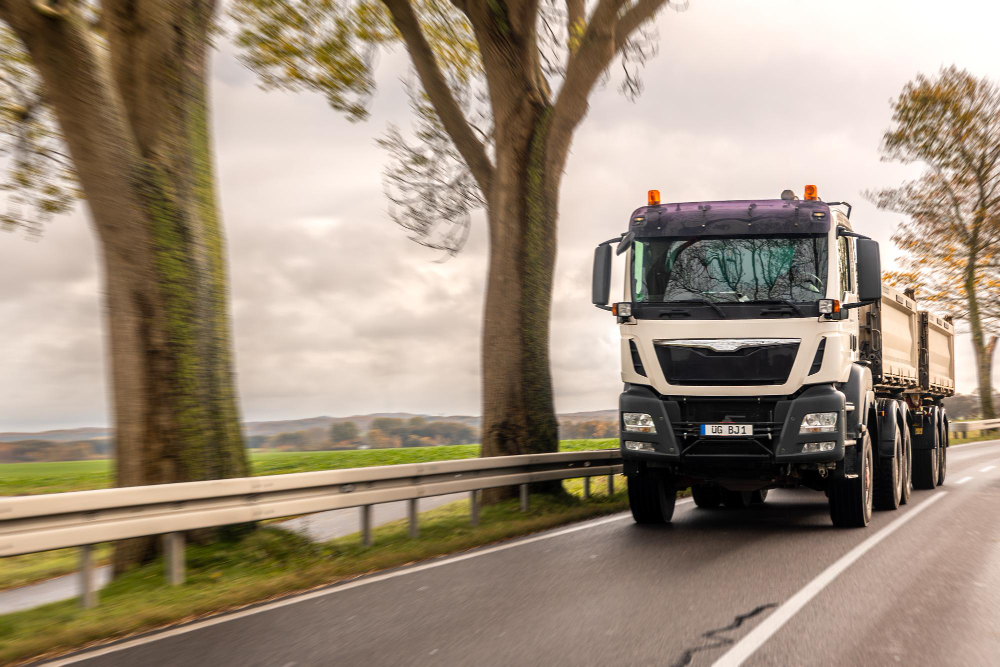
Is Box Truck Insurance Cheaper Than Dump Truck Insurance?
Business owners often ask: which costs more to insure, a box truck or a dump truck? The short answer is that dump trucks generally tend to have higher average premiums due to their extreme weight, heavy cargo, and job site hazards. However, there is no guarantee that one is always cheaper than the other for every single business.
Your individual box truck insurance cost or dump truck insurance cost is calculated using specific risk factors, including:
- Vehicle Weight and Size: Heavier vehicles carry higher momentum and can cause more damage in an accident, which raises liability costs.
- Materials and Cargo Transported: Hauling hazardous chemicals or expensive electronics presents different financial risks than hauling dirt or gravel.
- Operating Radius: Driving across state lines under federal guidelines increases rates compared to sticking to a tight local radius.
- Driving History and Claims: A clean motor vehicle record keeps your commercial auto insurance premiums significantly lower.
- Location: Operating in densely populated urban centers carries high er collision risks than rural driving.
To explore baseline pricing for delivery vehicles, take a look at our detailed guide on how much box truck insurance costs.
What Coverage Do Both Box Trucks and Dump Trucks Need?
Do box trucks and dump trucks need the same coverage? While their specific policy add-ons vary, what type of insurance does a commercial truck need at a minimum? Every commercial vehicle requires a foundational safety net regardless of its shape or size.
Both vehicle types typically require these core coverages:
- Commercial Auto Liability: Mandated by law, this covers third-party bodily injury and property damage if your driver causes an accident on public roads.
- Physical Damage Coverage: This protects your financial investment in the vehicle itself by paying for repairs or replacement after a collision, vandalism, fire, or weather event.
- Cargo Coverage: Whether you are hauling boxed merchandise or tons of gravel, cargo coverage protects the value of the materials in transit.
- Additional Operational Coverage: Depending on your business, you may also need general liability, inland marine equipment coverage, or workers’ compensation.
Before putting any vehicle on the road, check whether you need commercial auto insurance for a box truck or dump truck to ensure you meet state and federal FMCSA safety regulations. For a more detailed breakdown of coverage requirements, read our guide on Commercial Truck Insurance Requirements.
Which Type of Insurance Does Your Business Need?
Choosing the right policy comes down to how your vehicle is built and how your business uses it every day. You shouldn’t try to fit a dump truck into a box truck policy or vice versa.
To determine the right fit, evaluate:
- The physical vehicle type and its gross vehicle weight rating (GVWR).
- Your daily business operations and customer contracts.
- The exact materials or inventory being transported.
- Whether you operate as an owner operator truck insurance holder or manage a fleet.
Reviewing your exact operational model with a knowledgeable insurance advisor ensures you get complete protection without overpaying for risks you don’t face.
Get the Right Commercial Truck Insurance Coverage
Whether you operate an enclosed box truck for local deliveries or a heavy-duty dump truck for construction sites, having the right coverage is essential to protecting your hard-earned business. Buying insurance shouldn’t mean spending hours shopping around or guessing which policy fits your rigs.
At G&G Insurance, our innovative in-house software shops your specific needs across 50+ top-rated carriers simultaneously. We make saving money easy by finding the ideal policy for your exact commercial vehicles. Ready to secure your fleet? You can request a free commercial truck insurance quote today and let our team handle the heavy lifting for you!